
2026 Honda Civic Compact Car: What Engines Are Available?
Compact cars have evolved significantly in recent years, with modern engineering focusing on balancing efficiency, reliability, and performance. The Honda Civic continues this development by offering a range of engines designed to suit different driving needs. Advances in combustion technology, fuel injection, turbocharging, and hybrid powertrains allow manufacturers to deliver improved fuel economy while maintaining responsive performance.
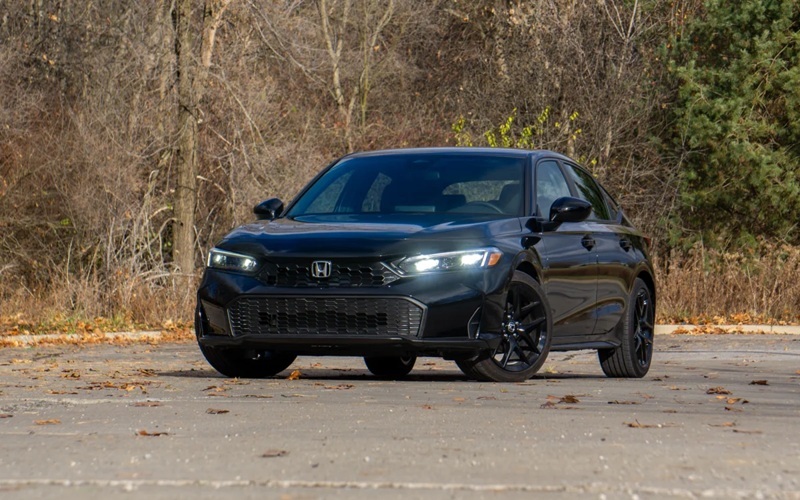
Engines are central to how a vehicle behaves on the road. They determine acceleration characteristics, fuel consumption, and overall driving dynamics. In the case of the new Honda Civic, the available engines represent different approaches to power delivery, including naturally aspirated gasoline engines, turbocharged engines, and hybrid systems that combine electric propulsion with internal combustion.
Modern engine systems have sophisticated electronic control units, variable valve timing mechanisms, and improved thermal management systems. These technologies allow engines to operate efficiently across a wide range of speeds and driving conditions.
The Civic Engine Lineup
The engine lineup for the Honda Civic provides a combination of efficiency, responsiveness, and reliability. Each engine uses a four-cylinder configuration, which is common in compact vehicles because it provides a good balance between power output and mechanical simplicity.
Typical engine options include:
A naturally aspirated gasoline four-cylinder engine
A turbocharged gasoline four-cylinder engine
A hybrid powertrain combining a gasoline engine and electric motors
Each engine configuration has a transmission system designed to optimize power delivery and fuel efficiency. The engine control systems coordinate combustion processes, air intake, and fuel delivery to maintain efficient operation.
Naturally Aspirated 2.0-Litre Four-Cylinder Engine
Engine Architecture
One of the engine options in the Honda Civic is a 2.0-litre naturally aspirated four-cylinder engine. In a naturally aspirated engine, air enters the combustion chamber through atmospheric pressure rather than through forced induction.
Key design characteristics include:
Inline four-cylinder layout
Aluminum engine block and cylinder head
Dual overhead camshafts
Four valves per cylinder
This design allows efficient airflow through the engine, improving combustion efficiency and overall performance.
Fuel Injection System
The engine uses electronic fuel injection to deliver fuel directly into the intake system or combustion chamber. Sensors measure factors such as air temperature, throttle position, and engine speed to determine the appropriate fuel quantity.
The engine control unit adjusts fuel delivery in real time, ensuring the correct air-fuel mixture for efficient combustion.
Variable Valve Timing
Variable valve timing systems allow the engine to adjust the opening and closing of intake and exhaust valves depending on engine speed and load.
By optimizing valve timing, the engine can:
Improve low-speed torque
Increase efficiency during cruising
Reduce emissions
This technology helps the engine perform efficiently across different driving conditions.
Turbocharged 1.5-Litre Four-Cylinder Engine
Turbocharging Principles
Another engine option available in the Civic is a 1.5-litre turbocharged four-cylinder engine. Turbocharging increases engine power by compressing incoming air before it enters the combustion chamber.
The turbocharger consists of two main sections:
A turbine driven by exhaust gases
A compressor that pressurizes intake air
When exhaust gases spin the turbine, the compressor forces more air into the engine. This allows additional fuel to be burned, increasing power output.
Intercooler System
Compressed air becomes hotter as pressure increases. To improve efficiency, the turbocharged engine uses an intercooler that cools the compressed air before it enters the engine.
Cooling the air increases its density, allowing more oxygen to enter the combustion chamber. This improves combustion efficiency and helps prevent engine knock.
Engine Control Systems
Turbocharged engines rely heavily on electronic control systems to manage boost pressure, fuel delivery, and ignition timing.
Sensors monitor engine parameters such as:
Intake air pressure
Exhaust temperature
Throttle position
Engine speed
The control unit uses this data to regulate turbocharger performance and maintain stable operation.
Hybrid Powertrain System
Hybrid Engine Configuration
The hybrid version of the Honda Civic combines a gasoline engine with electric motors and a high-voltage battery pack. This system allows the vehicle to operate using electric power, gasoline power, or a combination of both.
The hybrid system typically includes:
A four-cylinder gasoline engine operating on the Atkinson cycle
Two electric motor generators
A lithium-ion battery pack
A power control unit
These components work together to manage energy flow and provide propulsion.
Electric Motor Assistance
Electric motors deliver instant torque, which improves acceleration from a stop and enhances responsiveness during city driving.
In certain driving situations, the vehicle may operate primarily using electric power. This reduces fuel consumption and lowers emissions during low-speed operation.
Battery and Energy Storage
The hybrid system stores electrical energy in a lithium-ion battery pack. This battery receives energy from two main sources:
Regenerative braking
The gasoline engine is operating as a generator
The stored energy is later used to power the electric drive motor.
Engine Control Systems
Electronic Control Unit
All engines available in the Civic rely on electronic control units to manage combustion and power delivery.
The control unit receives information from sensors located throughout the engine, including sensors that measure:
Air intake temperature
Oxygen levels in exhaust gases
Engine speed
Throttle position
Using this data, the system adjusts fuel injection timing, ignition timing, and valve timing to optimize performance and efficiency.
Diagnostic Systems
Modern vehicles include onboard diagnostic systems that monitor engine performance and detect irregularities.
If the system detects abnormal conditions, it stores diagnostic codes that technicians can later analyze to identify potential issues.
These diagnostic capabilities help ensure reliable engine operation and simplify maintenance procedures.
Cooling and Thermal Management
Engine Cooling System
Internal combustion engines generate heat during operation, and managing this heat is essential for engine durability.
The cooling system circulates coolant through the engine block and cylinder head, absorbing heat generated during combustion.
Major components of the cooling system include:
Radiators
Coolant pumps
Thermostats
Cooling fans
These components work together to maintain optimal operating temperatures.
Thermal Management in Turbocharged Engines
Turbocharged engines generate additional heat due to increased combustion pressures and exhaust temperatures.
To manage this heat, the system may include:
Oil cooling systems
High-capacity radiators
Intercoolers
Proper thermal management prevents overheating and protects internal engine components.
Transmission Integration
Continuously Variable Transmission
Many versions of the Civic use a continuously variable transmission (CVT). Unlike conventional transmissions with fixed gears, a CVT uses variable pulleys connected by a belt or chain to provide an infinite range of gear ratios.
This design allows the engine to operate at its most efficient speed while the transmission adjusts the ratio required to maintain vehicle speed.
Hybrid Transmission System
In hybrid models, the transmission may use an electronically controlled system that integrates electric motors with a fixed gear mechanism.
This configuration allows the hybrid system to coordinate engine and motor power effectively.
2026 Honda Civic Engine Technologies
The engines available in the Honda Civic illustrate how modern automotive engineering integrates multiple technologies to improve efficiency and performance.
Important technologies used in the engine lineup include:
Variable valve timing systems
Turbocharging for increased power density
Direct fuel injection for precise fuel control
Hybrid electric motor assistance
Advanced electronic engine management systems
Together, these systems allow the Civic to operate efficiently while maintaining responsive performance across a wide range of driving conditions.
2026 Honda Civic FAQ
What engines are available in the 2026 Honda Civic?
The vehicle offers several engine options, including a naturally aspirated four-cylinder gasoline engine, a turbocharged four-cylinder engine, and a hybrid powertrain that combines a gasoline engine with electric motors.
What is the advantage of a turbocharged engine?
Turbocharged engines compress incoming air, allowing more fuel to burn during combustion. This increases power output while allowing the engine to remain relatively small and efficient.
How does the hybrid system improve efficiency?
The hybrid system uses electric motors to assist the gasoline engine and capture energy during braking. This stored energy can later be used for propulsion, reducing fuel consumption.
What is variable valve timing?
Variable valve timing adjusts the timing of when intake and exhaust valves open and close during engine operation. This improves efficiency and performance across different engine speeds.
What type of transmission is used with these engines?
Many versions of the Civic use a continuously variable transmission that adjusts gear ratios automatically to keep the engine operating within its most efficient range.
*Disclaimer: Content contained in this post is for informational purposes only and may include features and options from US or internacional models. Please contact the dealership for more information or to confirm vehicle, feature availability.*


