
2026 Honda Civic: What Do The Warning Lights Mean?
The instrument cluster of the new Honda Civic provides real-time feedback about vehicle systems through a series of warning and indicator lights. These symbols communicate the operational status of critical components, like the engine, braking system, electrical system, and driver assistance features. Understanding what each warning light represents is essential for proper vehicle operation and maintenance.
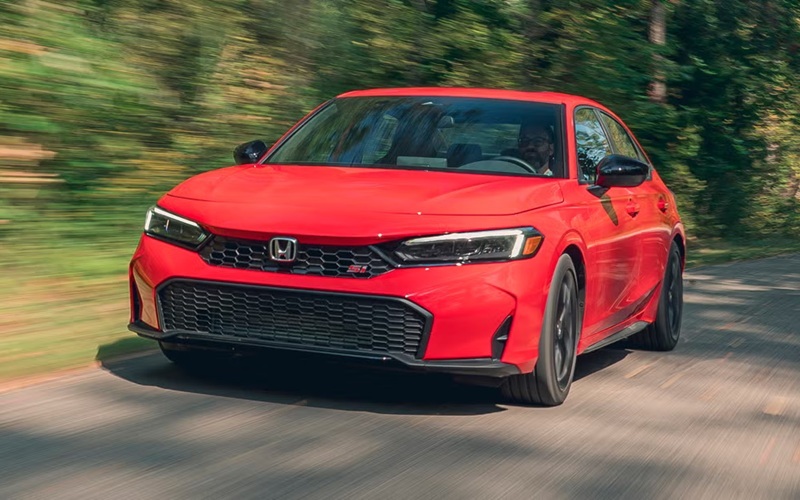
2026 Honda Civic Instrument Cluster
The Honda Civic uses a digital instrument cluster integrated with the vehicle’s onboard diagnostic systems. This cluster communicates with multiple electronic control units (ECUs) via a Controller Area Network (CAN bus).
Key Functions
Displays system status in real time
Alerts the driver to faults or irregularities
Provides priority-based warning escalation
Interfaces with sensors across the vehicle
Colour Coding System
Warning lights follow a standardized colour scheme:
Green or Blue: System active or functioning normally
Yellow or Amber: Caution or system malfunction requiring inspection
Red: Critical issue requiring immediate attention
Engine and Powertrain Warning Lights
Check Engine Light (Malfunction Indicator Lamp)
This light is controlled by the Engine Control Module (ECM).
Functionality
Monitors emissions and engine performance
Detects faults via onboard diagnostics (OBD-II system)
Activates when sensor readings exceed predefined thresholds
Common Causes
Faulty oxygen sensor
Misfire detected
Evaporative emissions leak
Fuel system irregularities
Behavior
Solid light: Non-critical fault
Flashing light: Severe misfire that may damage the catalytic converter
Oil Pressure Warning Light
This light indicates insufficient engine oil pressure.
System Components
Oil pump
Pressure sensor
Lubrication channels
Trigger Conditions
Low oil level
Pump malfunction
Blocked oil passages
Technical Risk
Insufficient lubrication can lead to increased friction, overheating, and internal engine damage.
Battery Charging System Warning Light
This light relates to the electrical charging system.
Components Involved
Alternator
Voltage regulator
Battery
Wiring system
Trigger Conditions
Alternator output below the required voltage
Battery not receiving charge
Electrical system imbalance
Brake and Stability Systems
Brake System Warning Light
This light is associated with the hydraulic braking system.
Possible Causes
Low brake fluid level
Brake pad wear sensor activation
Hydraulic pressure imbalance
System Interaction
The Brake Control Module monitors fluid pressure and brake performance.
Anti-lock Braking System (ABS) Warning Light
The ABS system prevents wheel lock during braking.
Components
Wheel speed sensors
Hydraulic control unit
ABS control module
Functionality
Modulates brake pressure during deceleration
Maintains traction on low-friction surfaces
Fault Indication
If the ABS light is on, standard braking remains functional, but anti-lock modulation is disabled.
Vehicle Stability Assist (VSA) Indicator
This system enhances vehicle stability during cornering or when traction is lost.
Operation
Uses yaw rate sensor and steering angle sensor
Applies braking to individual wheels
Adjusts engine torque
Indicator Behavior
Flashing: System actively correcting vehicle path
Solid: System malfunction
Tire Pressure Monitoring System (TPMS)
TPMS Warning Light
This system monitors air pressure in each tire.
Components
Pressure sensors in each wheel
TPMS control unit
Data transmission module
Trigger Conditions
Tire pressure below recommended threshold
Sensor communication failure
Engineering Note
Correct tire pressure is essential for optimal fuel efficiency, handling, and tire wear.
Driver Assistance Systems
Collision Mitigation Braking System (CMBS)
This system helps reduce collision severity.
Components
Forward-facing radar
Camera system
Control unit
Warning Indicator
Illuminates if the system is disabled or malfunctioning
May also display alerts on the digital screen
Lane Keeping Assist System (LKAS)
This system assists with maintaining lane position.
Operation
Uses camera input to detect lane markings
Applies steering corrections
Warning Conditions
Sensor obstruction
Camera malfunction
System deactivation
Adaptive Cruise Control (ACC) Indicator
This system maintains a set distance from the vehicle ahead.
Functionality
Adjusts speed automatically
Uses radar-based distance measurement
Indicator Behavior
Green: System active
Amber: Fault detected
Cooling and Thermal Management Systems
Engine Temperature Warning Light
This light indicates excessive engine temperature.
System Components
Coolant
Radiator
Thermostat
Cooling fan
Trigger Conditions
Coolant temperature exceeding safe limits
Cooling system malfunction
Engineering Risk
Overheating can cause cylinder head warping and gasket failure.
Airbag and Safety Systems
Airbag System Warning Light
This light indicates a fault in the Supplemental Restraint System (SRS).
Components
Airbags
Crash sensors
Control module
Seatbelt pretensioners
Trigger Conditions
Sensor failure
Electrical fault
Deployment system issue
Steering and Suspension Systems
Electric Power Steering (EPS) Warning Light
This system replaces hydraulic steering with electric assistance.
Components
Electric motor
Torque sensor
Control unit
Fault Conditions
Loss of assist
Sensor malfunction
Electrical issue
Lighting and Visibility Indicators
Headlight and High Beam Indicators
Blue light indicates high beams are active
Green light indicates standard headlights are on
Fog Light Indicator
Indicates activation of front or rear fog lamps.
Turn Signal Indicators
Flashing arrows indicate active turn signals or hazard lights.
System Integration and Diagnostics
The Honda Civic integrates all warning systems through a centralized diagnostic architecture.
CAN Bus Communication
Allows ECUs to exchange data
Enables coordinated system response
Diagnostic Trouble Codes (DTCs)
Stored when faults are detected
Accessible via diagnostic tools
Fail-Safe Modes
Some systems enter reduced functionality mode when faults are detected to prevent further damage.
Maintenance Implications
Warning lights are directly tied to preventive and corrective maintenance.
Scheduled Maintenance Alerts
Oil life monitoring
Service interval reminders
Predictive Diagnostics
Early detection of component degradation
Reduction of unexpected failures
2026 Hinda Civic FAQ
What does a red warning light indicate?
A red warning light signals a critical issue requiring immediate attention. It typically relates to safety or essential system failures.
Can I continue driving with a yellow warning light?
A yellow or amber light indicates a non-critical issue, but the vehicle should be inspected as soon as possible to prevent escalation.
Why does the check engine light turn on intermittently?
Intermittent activation can occur due to temporary sensor irregularities or fluctuating operating conditions that the ECM detects.
What happens if multiple warning lights appear at once?
Multiple lights may indicate a shared system fault or communication issue within the CAN network. Diagnostic scanning is required to identify the cause.
How are warning lights diagnosed?
Technicians use diagnostic tools to read stored DTCs, analyze sensor data, and test system components to determine the underlying issue. T&T Honda can perform these procedures using model-specific diagnostic protocols.
*Disclaimer: Content contained in this post is for informational purposes only and may include features and options from US or internacional models. Please contact the dealership for more information or to confirm vehicle, feature availability.*


