
2026 Honda Civic: What Fuel System Does This Car Use?
The Honda Civic uses an electronically controlled fuel delivery system designed to optimize combustion efficiency, emissions performance, throttle response, and fuel economy. Depending on the engine configuration, the vehicle may use gasoline direct injection technology integrated with electronic engine management systems, high-pressure fuel delivery components, and advanced combustion monitoring sensors.
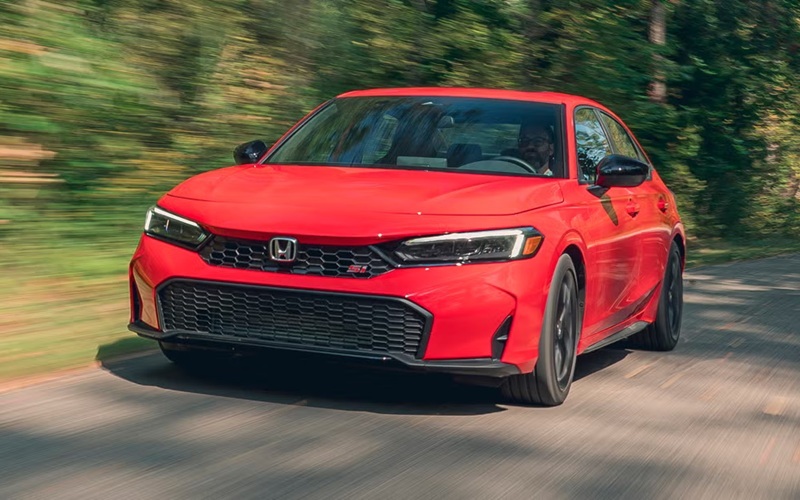
The fuel system operates continuously, with the engine control module regulating fuel pressure, injection timing, air-fuel mixture ratios, and combustion efficiency under varying driving and environmental conditions.
2026 Honda Civic Fuel System
The fuel system in the Honda Civic is responsible for storing, filtering, pressurizing, and delivering fuel to the engine combustion chambers.
The system performs several critical functions:
Deliver fuel to the engine
Maintain precise air-fuel ratios
Improve combustion efficiency
Reduce exhaust emissions
Support engine performance
Maintain cold-start operation
Coordinate with turbocharging systems where applicable
Modern fuel systems operate electronically rather than mechanically and are integrated directly with the engine control module.
Fuel Storage System
Fuel Tank Construction
The Civic uses a sealed fuel tank assembly mounted beneath the rear floor structure.
Modern fuel tanks are commonly constructed from reinforced polymer materials designed to resist:
Corrosion
Impact stress
Fuel vapour permeation
Thermal expansion
Vibration
The tank structure also incorporates internal baffling to reduce fuel movement during acceleration, braking, and cornering.
Fuel Pickup Module
Inside the fuel tank is the fuel pickup module.
This assembly typically contains:
Fuel pump
Fuel level sensor
Pressure regulation components
Pickup screen
Fuel reservoir chamber
The module ensures continuous fuel supply even during rapid vehicle movement or low fuel levels.
Evaporative Emissions Management
Gasoline fuel naturally produces hydrocarbon vapours. The Civic fuel system includes an evaporative emissions control system that captures these vapours rather than allowing them to escape into the atmosphere.
The system uses:
Vapor lines
Charcoal canisters
Purge valves
Pressure monitoring systems
Stored vapours are later routed into the engine and burned during normal combustion operation.
Fuel Pump System
Low-Pressure Fuel Pump
Fuel Supply Function
The fuel pump transfers gasoline from the fuel tank to the engine fuel delivery system. Most modern Civic configurations use an electric in-tank fuel pump.
The pump provides stable fuel supply under varying conditions including:
Idle operation
High-speed acceleration
Highway driving
Cold starts
Turbocharged boost demand
Electronic Pump Control
The engine control module regulates fuel pump operation electronically.
Pump speed and fuel delivery volume may change according to:
Engine load
Fuel pressure demand
Engine speed
Operating temperature
Variable pump control improves efficiency and reduces unnecessary fuel circulation.
Fuel Pressure Stability
Stable fuel pressure is critical because injector operation depends on precise pressure control.
Pressure fluctuations can affect:
Fuel atomization
Combustion consistency
Emissions performance
Engine smoothness
The fuel system continuously monitors and adjusts pressure conditions.
High-Pressure Fuel System
Direct Injection Requirements
Many Honda Civic engine configurations use gasoline direct injection technology. Direct injection systems require significantly higher fuel pressure than traditional port fuel injection systems. A mechanically driven high-pressure fuel pump increases fuel pressure dramatically before fuel enters the injectors.
Camshaft-Driven Pump Operation
The high-pressure fuel pump is often driven mechanically by the engine camshaft.
As the engine rotates:
The camshaft actuates the pump
Fuel pressure increases
High-pressure fuel enters the fuel rail
This allows precise fuel delivery directly into the combustion chambers.
High-Pressure Fuel Rail
The high-pressure fuel rail distributes pressurized fuel evenly to each injector. The rail acts as a pressure reservoir, stabilizing fuel delivery during rapid engine load changes. Pressure sensors continuously monitor rail pressure and provide feedback to the engine control module.
Fuel Injectors
Injector Function
Fuel injectors meter and deliver fuel into the engine cylinders. Modern direct injectors spray fuel directly into the combustion chamber under extremely high pressure.
Precise injector control improves:
Fuel atomization
Combustion efficiency
Power output
Emissions reduction
Solenoid-Controlled Injectors
The Civic fuel injectors use electronically controlled solenoids or equivalent actuator technology.
The engine control module activates the injectors according to:
Engine speed
Crankshaft position
Throttle demand
Intake airflow
Temperature conditions
Injector operation is measured in milliseconds.
Multi-Hole Injector Design
Modern injectors often use multi-hole nozzle designs that create highly controlled spray patterns.
Spray geometry affects:
Air-fuel mixing
Flame propagation
Combustion stability
Fuel efficiency
Precise atomization improves combustion consistency under varying operating conditions.
Direct Injection Technology
Direct Combustion Injection
In direct injection systems, fuel enters the combustion chamber rather than the intake manifold.
This provides several engineering advantages:
Improved combustion precision
Increased thermal efficiency
Higher compression ratio capability
Improved cold-start performance
Reduced pumping losses
Direct injection also improves fuel vaporization under certain operating conditions.
Combustion Chamber Cooling
Injecting fuel directly into the combustion chamber helps reduce combustion temperature through evaporative cooling.
This allows:
Higher compression ratios
Increased ignition timing flexibility
Improved knock resistance
These factors contribute to improved efficiency and engine performance.
Stratified Combustion Control
Under specific operating conditions, direct injection systems can create highly controlled air-fuel mixture distribution inside the cylinder.
This improves:
Combustion stability
Low-load efficiency
Emissions control
The engine management system continuously adjusts injection behaviour.
Air-Fuel Ratio Management
Stoichiometric Combustion
The engine control module regulates the air-fuel ratio to maintain efficient combustion. For gasoline engines, ideal combustion generally occurs near the stoichiometric ratio, where fuel and oxygen are balanced for complete combustion.
Maintaining proper ratios improves:
Fuel efficiency
Emissions performance
Catalytic converter operation
Engine smoothness
Oxygen Sensor Feedback
The fuel system relies on oxygen sensors positioned in the exhaust system. These sensors monitor combustion results and provide real-time feedback to the engine control module.
The control module continuously adjusts:
Fuel injection quantity
Injection timing
Airflow calibration
To maintain proper combustion conditions.
Closed-Loop Fuel Control
Most operating conditions use closed-loop fuel control.
In closed-loop mode:
Sensor data is monitored continuously
Fuel delivery is adjusted dynamically
Combustion conditions are optimized in real time
This improves efficiency and emissions stability.
Turbocharged Engine Fuel Coordination
Turbocharger Airflow Management
Some Civic configurations use turbocharged gasoline engines. Turbochargers increase intake air pressure, which requires corresponding increases in fuel delivery. The fuel system coordinates with turbocharger systems to maintain proper combustion balance.
Boost Pressure Compensation
As boost pressure rises:
More air enters the cylinders
Fuel delivery increases proportionally
Combustion remains stable
The engine control module continuously calculates fuel requirements according to boost pressure and airflow measurements.
Thermal Load Management
Turbocharged engines generate increased thermal loads.
The fuel system helps regulate combustion temperatures through:
Precise injection timing
Controlled fuel enrichment
Knock management strategies
These systems protect engine components under high-load operation.
Fuel Filtration System
Fuel Filter Function
Fuel filters remove contaminants before fuel reaches sensitive injection components.
Contaminants may include:
Dirt particles
Rust
Sediment
Water traces
Fuel degradation residue
Modern fuel injectors operate with extremely small internal tolerances and require clean fuel for proper operation.
Multi-Stage Filtration
The fuel system may use multiple filtration stages including:
Pickup screens
Primary filters
Fine filtration elements
Filtration improves injector durability and fuel system reliability.
Injector Protection
Contaminated fuel can affect:
Injector spray patterns
Fuel pressure stability
Combustion quality
Proper filtration reduces wear and maintains injection precision.
Hybrid Fuel System Integration
Hybrid Engine Coordination
Hybrid Civic configurations integrate the fuel system with electric propulsion systems.
The gasoline engine may cycle on and off frequently depending on:
Battery charge level
Driving conditions
Power demand
The fuel system must support rapid engine restarts and precise transition control.
Start-Stop Operation
Automatic engine stop-start operation requires fast fuel pressure stabilization during engine restarts. Electronic fuel management improves restart smoothness and combustion stability.
Fuel System Sensors and Electronics
Sensor Network
The fuel system relies on multiple sensors including:
Fuel pressure sensors
Mass airflow sensors
Intake air temperature sensors
Throttle position sensors
Crankshaft position sensors
Oxygen sensors
The engine control module processes this information continuously.
Adaptive Fuel Calibration
The engine management system adjusts fuel delivery dynamically according to:
Altitude
Ambient temperature
Fuel quality
Engine wear
Driving conditions
Adaptive calibration improves long-term efficiency and emissions stability.
Diagnostic Monitoring
The onboard diagnostic system continuously evaluates fuel system performance.
The system can detect issues involving:
Fuel pressure irregularities
Injector operation
Sensor communication
Evaporative emissions leaks
Combustion abnormalities
Diagnostic trouble codes are stored electronically for service analysis.
T&T Honda technicians may inspect fuel pressure performance, injector operation, fuel filtration systems, and evaporative emissions components during diagnostic and maintenance procedures.
2026 Honda Civic FAQ
What type of fuel system does the 2026 Honda Civic use?
The vehicle uses an electronically controlled fuel injection system, commonly with gasoline direct injection technology.
What does direct fuel injection do?
Direct injection sprays fuel directly into the combustion chamber at high pressure to improve combustion efficiency and emissions performance.
How does the fuel system control fuel delivery?
The engine control module adjusts injector timing and fuel quantity using data from multiple engine and exhaust sensors.
Does the 2026 Honda Civic use a high-pressure fuel pump?
Yes. Direct injection systems use a mechanically driven high-pressure fuel pump to supply pressurized fuel to the injectors.
Why is fuel filtration important in modern engines?
Fuel filtration removes contaminants that could damage injectors, affect fuel pressure stability, or reduce combustion efficiency.
*Disclaimer: Content contained in this post is for informational purposes only and may include features and options from US or internacional models. Please contact the dealership for more information or to confirm vehicle, feature availability.*


