
2026 Honda CR-V: How Does the Hybrid System Work?
Hybrid vehicles have become increasingly common as manufacturers seek ways to improve fuel efficiency while maintaining the practicality expected from modern sport utility vehicles. The new Honda CR-V integrates hybrid technology, combining the benefits of electric propulsion with the range and flexibility of a gasoline engine. This approach allows the vehicle to adapt its power delivery depending on driving conditions, optimizing efficiency without requiring the driver to manage energy sources manually.
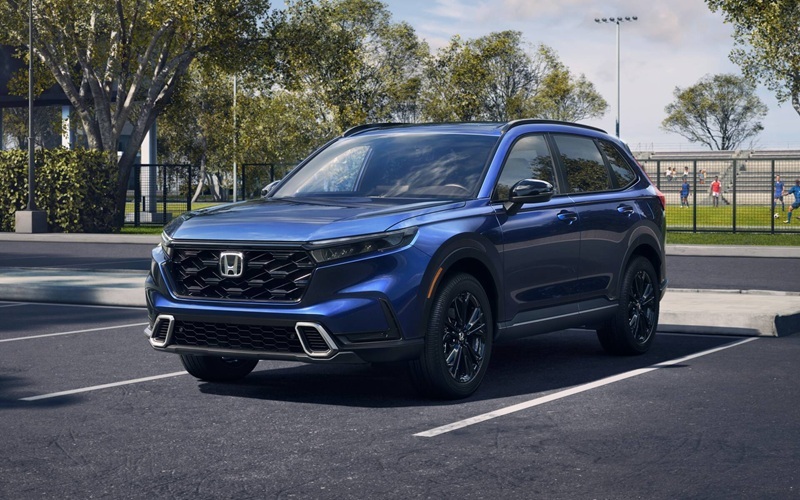
Unlike traditional vehicles powered solely by internal combustion engines, hybrid systems use a combination of mechanical and electrical components. These systems include a gasoline engine, electric motors, a high-voltage battery, and advanced electronic controllers that manage the interaction between these components. The result is a powertrain that can operate in multiple modes, switching between electric, gasoline, or a combination of both propulsion.
Overview of the Hybrid Powertrain Architecture
The hybrid system in the Honda CR-V operates as a two-motor hybrid configuration. In this design, electric motors play a central role in vehicle propulsion, while the gasoline engine supports energy generation and high-speed operation.
The main components of the hybrid system include:
A four-cylinder gasoline engine
Two electric motor generators
A lithium-ion battery pack
A power control unit
A fixed-gear transmission system
These components work together to manage energy flow and deliver propulsion power efficiently. Sensors throughout the vehicle monitor speed, throttle input, battery charge levels, and driving conditions to determine the most efficient operating mode.
The system transitions automatically between operating modes, allowing the vehicle to adapt to urban driving, highway travel, and acceleration demands.
Gasoline Engine
Engine Configuration
The hybrid CR-V uses a four-cylinder gasoline engine with a displacement of approximately 2.0 litres. This engine operates using the Atkinson combustion cycle, which differs from the traditional Otto cycle used in many gasoline engines.
The Atkinson cycle keeps the intake valves open longer during the compression phase, reducing pumping losses and improving thermal efficiency. While this design reduces peak power output compared with conventional engines, the hybrid system compensates with electric motor assistance.
Key structural features include:
Aluminium engine block and cylinder heads
Dual overhead camshafts
Four valves per cylinder
Electronic fuel injection
These features contribute to improved combustion efficiency and reduced mechanical friction.
Engine Role in the Hybrid System
In this hybrid configuration, the gasoline engine often functions as a generator rather than directly driving the wheels. The engine produces mechanical energy that is converted into electrical energy by one of the motor generators.
This electricity can then be used to power the drive motor or recharge the battery.
At higher vehicle speeds, the gasoline engine may also mechanically connect to the wheels via a clutch to provide direct propulsion.
Electric Motor Generators
Drive Motor
The primary electric motor delivers propulsion power to the wheels across many driving conditions. Electric motors produce maximum torque immediately upon rotation, enabling smooth, responsive acceleration.
The drive motor converts electrical energy from the battery into mechanical energy that turns the wheels.
Advantages of electric motor propulsion include:
Instant torque delivery
Reduced mechanical vibration
High efficiency during low-speed driving
Because of these characteristics, the vehicle can operate in electric mode during city driving and light acceleration.
Generator Motor
The second electric motor functions primarily as a generator. It converts mechanical energy from the gasoline engine into electrical energy.
This electricity can be directed in two ways:
Charging the battery pack
Supplying power directly to the drive motor
The generator motor also helps regulate engine speed and coordinates power distribution throughout the hybrid system.
Lithium-Ion Battery Pack
Battery Construction
The hybrid battery pack stores electrical energy used by the electric drive motor. It consists of multiple lithium-ion battery cells arranged into modules and housed in a protective enclosure.
Lithium-ion batteries are widely used in hybrid vehicles due to several advantages:
High energy density
Long cycle life
Relatively low weight compared with older battery technologies
The battery pack is positioned within the vehicle structure to maintain balanced weight distribution and protect it from external damage.
Battery Management System
A battery management system monitors voltage, temperature, and charge levels within each module.
This system ensures that the battery operates within safe limits by:
Preventing overcharging
Preventing excessive discharge
Managing temperature levels
Maintaining proper battery conditions is essential for long-term durability and performance.
Power Control Unit
Inverter and Converter Functions
The power control unit acts as the central hub of the hybrid system. It manages electrical energy flow between the battery, electric motors, and gasoline engine.
One of its key components is an inverter, which converts direct current (DC) from the battery into alternating current (AC) required by the electric motors.
Another component is a converter that regulates voltage levels throughout the system.
Control Algorithms
The power control unit uses software algorithms to determine how power should be distributed during driving.
These algorithms analyze inputs such as:
Vehicle speed
Driver acceleration demand
Battery charge level
Road load conditions
Based on this information, the system determines which propulsion mode is most efficient.
Transmission and Power Transfer
Fixed-Gear Transmission
Unlike many conventional vehicles that use multi-gear transmissions, the hybrid CR-V uses a simpler fixed-gear transmission design.
Because the electric motor can operate efficiently over a wide speed range, multiple gear ratios are not always necessary.
The transmission system includes a clutch mechanism that connects the gasoline engine to the wheels during certain driving conditions, particularly at higher speeds.
Power Flow Control
When the clutch engages, the gasoline engine can contribute directly to propulsion. When disengaged, the engine may operate primarily as a generator.
This flexible configuration allows the system to optimize efficiency across different driving environments.
Regenerative Braking System
Energy Recovery
Regenerative braking is an essential feature of hybrid vehicles. When the driver slows down or applies the brakes, the electric drive motor operates as a generator.
Instead of dissipating kinetic energy as heat through friction brakes, the system converts it into electrical energy.
The recovered energy is then stored in the battery for later use.
Integration With Conventional Brakes
Regenerative braking works together with the hydraulic braking system.
When the driver presses the brake pedal, the vehicle control system determines the balance between regenerative braking and traditional friction braking.
This ensures consistent stopping performance while maximizing energy recovery.
Hybrid Operating Modes
Electric Drive Mode
In electric drive mode, the vehicle uses only the electric motor for propulsion.
This mode typically occurs during:
Low-speed urban driving
Light acceleration
Stop-and-go traffic conditions
During this time, the gasoline engine remains off, reducing fuel consumption.
Hybrid Drive Mode
In hybrid drive mode, the gasoline engine powers the generator motor, which produces electricity for the drive motor.
This configuration allows the electric motor to remain the primary source of propulsion while the engine supports energy production.
Engine Drive Mode
At higher vehicle speeds, the gasoline engine may drive the wheels directly through the clutch.
In this mode, the engine provides propulsion while the electric motor assists when additional torque is required.
Energy Management Strategy
Intelligent Power Distribution
The hybrid system continuously evaluates which power source is most efficient for the current driving situation.
Electric propulsion is favoured during low-speed conditions where electric motors operate efficiently.
The gasoline engine is used more frequently during sustained highway driving or when the battery requires recharging.
Automatic Operation
All transitions between operating modes occur automatically. The driver does not need to manually select propulsion sources.
The system’s electronic controllers coordinate engine operation, motor activity, and battery charging to maintain smooth vehicle performance.
2026 Honda CR-V FAQ
What type of hybrid system does the 2026 Honda CR-V use?
The vehicle uses a two-motor hybrid system that includes a gasoline engine, a drive motor, and a generator motor. This configuration allows the vehicle to operate in electric, hybrid, or engine-driven mode.
What type of battery is used in the CR-V hybrid?
The hybrid system uses a lithium-ion battery pack composed of multiple cells arranged in modules. This battery stores electrical energy used by the electric drive motor.
What is regenerative braking?
Regenerative braking is a process where the electric motor operates as a generator during deceleration. It converts kinetic energy from the vehicle’s motion into electrical energy that recharges the battery.
Can the CR-V hybrid drive using only electricity?
Yes. During low-speed driving and light acceleration, the vehicle can operate in electric drive mode, with the gasoline engine off.
How does the hybrid system decide when to use the gasoline engine?
An electronic control system continuously analyzes driving conditions, including speed, acceleration demand, and battery charge level. Based on this information, it determines whether electric power, gasoline power, or a combination of both will be most efficient.
*Disclaimer: Content contained in this post is for informational purposes only and may include features and options from US or internacional models. Please contact the dealership for more information or to confirm vehicle, feature availability.*


