
2026 Honda Pilot: The Right Winter Rim Size for Performance
The Honda Pilot continues to define the midsize SUV category, combining cutting-edge technology, versatile performance, and refined design. As winter approaches, equipping your Pilot with the appropriate winter wheels and tires is essential for safety and performance. Let's take a closer look at what makes the right winter rim size for your new Honda Pilot so important and how to select the optimal configuration for winter driving conditions.
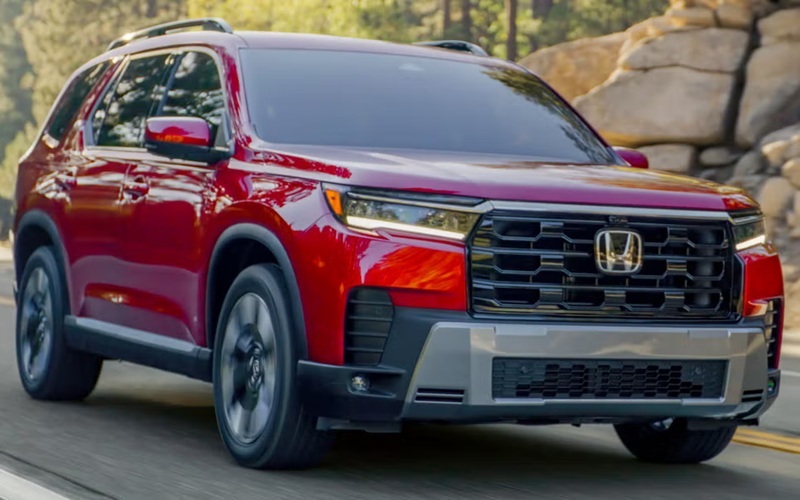
Factory Wheel Specifications by Trim Level
The Honda Pilot comes with different wheel sizes depending on the trim level you select. Understanding your vehicle's factory specifications is the first step in determining the right winter rim size:
Sport trim: 20-inch Shark Gray wheels with 255/50R20 all-season tires
EX-L trim: 18-inch Pewter Gray Machined Face wheels with 255/60R18 all-season tires
TrailSport trim: 18-inch Shark Gray wheels with 265/60R18 rugged terrain tires
Touring trim: 20-inch Shark Gray Machined Face wheels with 255/50R20 all-season tires
Elite trim: 20-inch Shark Gray Machined Face wheels with 255/50R20 all-season tires
Black Edition: 20-inch Gloss Black wheels with 255/50R20 all-season tires
These factory specifications provide the baseline for selecting appropriate winter wheel options that will maintain proper fitment and performance characteristics.
The Ideal Winter Rim Size for the 2026 Pilot
For winter driving conditions, the 18-inch wheel size is generally considered the optimal choice for the Honda Pilot, regardless of which trim level you own. Here's why:
Benefits of 18-inch Winter Wheels
Improved snow performance: The narrower profile of tires mounted on 18-inch wheels cuts through snow more effectively than wider tires on 20-inch wheels
Better ice traction: The taller sidewall provides additional flex, which can improve grip on icy surfaces
Reduced risk of damage: Smaller wheels with taller tire sidewalls offer better protection against winter hazards like potholes and road debris
Lower cost: Winter tires for 18-inch wheels typically cost less than their 20-inch counterparts
Greater availability: More winter tire options are available in 18-inch sizes
For Pilot owners with 20-inch factory wheels (Sport, Touring, Elite, and Black Edition trims), downsizing to 18-inch wheels for winter is a smart strategy that balances performance, protection, and cost-effectiveness.
Specific Winter Rim Specifications
When selecting winter wheels for your Honda Pilot, the following specifications are crucial for proper fitment:
Wheel size: 18x8 inches (optimal for winter performance)
Bolt pattern: 5x120 (the pattern used on all new Pilot models)
Center bore: 64.1mm (ensures proper centering on the hub)
Offset (ET): +35 to +45 (maintains proper clearance for suspension components)
Load rating: Must meet or exceed the vehicle's requirements
These specifications ensure your winter wheels fit properly, maintain proper vehicle handling characteristics, and deliver reliable performance in challenging winter conditions.
Winter Tire Recommendations
The right winter tires are just as important as the correct rim size. For the Honda Pilot, the recommended winter tire size for 18-inch wheels is 255/60R18. This size delivers excellent winter performance while maintaining a similar overall diameter to factory tires, ensuring speedometer readings remain accurate.
Several high-quality winter tire options are available for the new Pilot:
Bridgestone Blizzak DM-V2: Excellent all-around winter performance
Michelin X-Ice Snow SUV: Superior ice traction and long tread life
Continental VikingContact 8: Outstanding performance in deep snow
Nokian Hakkapeliitta R5 SUV: Exceptional performance in extreme cold
Pirelli Ice Zero FR: Balanced performance across all winter conditions
Yokohama IceGuard G075: Reliable performance at a more accessible price point
These tires are specifically designed for SUVs like the Pilot and provide the traction needed for safe winter driving.
Complete Winter Wheel Package Options
Many tire retailers offer complete winter wheel packages for the Honda Pilot that include both wheels and tires, mounted, balanced, and ready for installation. These packages typically include:
Four 18-inch alloy or steel wheels
Four winter tires in size 255/60R18
Four tire pressure monitoring system (TPMS) sensors
Mounting and balancing service
Proper torque specification for lug nuts
Popular wheel options for winter packages include:
Steel wheels: Durable and cost-effective, though heavier than alloy alternatives
OEP EVO Matte Black: Stylish alloy wheels designed for winter conditions
Art Element Gloss Black: Attractive alloy wheels with protective finish
Art ONE Gloss Black: Contemporary design that complements the Pilot styling
Art 301 Gloss Black: Sporty design with protective finish for winter conditions
These complete packages offer convenience and ensure that all components are properly matched for optimal performance.
Installation and Maintenance Considerations
When switching to winter wheels, proper installation and maintenance are essential:
Installation Tips
Ensure wheels are torqued to the manufacturer's specification (usually around 95 ft-lbs for the Pilot)
Have the TPMS sensors properly programmed to your vehicle
Check that the wheels are properly balanced to prevent vibration
Verify tire pressure meets Honda recommendations (typically found on the driver's door jamb sticker)
Maintenance During Winter
Check tire pressure monthly, as cold temperatures cause pressure to drop
Clean wheels regularly to remove road salt and prevent corrosion
Inspect tires periodically for damage or unusual wear
Rotate winter tires mid-season for more even wear if you drive more than 10,000 kilometers during winter
Proper maintenance ensures maximum performance and longevity from your winter wheel and tire package.
The Importance of Proper Winter Wheel Storage
When not in use, proper storage of your winter wheels and tires is crucial for maintaining their condition:
Clean wheels and tires thoroughly before storage
Store in a cool, dry location away from direct sunlight
Consider using tire bags or wheel covers for protection
Stack horizontally or hang on wall-mounted racks
Maintain proper tire pressure during storage (slightly lower than normal)
With proper storage, your winter wheels and tires can last for multiple seasons, maximizing your investment.
Keep Your 2026 Honda Pilot Safe
Selecting the right winter rim size for your Honda Pilot is an important decision that affects safety, performance, and comfort during winter driving. The 18-inch wheel size with 255/60R18 winter tires offers the optimal balance of snow traction, ice performance, and protection against winter road hazards.
Whether you choose steel wheels for durability and value or alloy wheels for style and performance, ensuring proper specifications is crucial. With the right winter wheel and tire package, your Honda Pilot will maintain its capability and reliability even in the most challenging winter conditions.
Frequently Asked Questions
Can I use my factory 20-inch wheels with winter tires instead of downsizing to 18-inch wheels?
Yes, you can use winter tires on your factory 20-inch wheels, and many tire manufacturers do offer winter tires in 255/50R20 size to fit the Sport, Touring, Elite, and Black Edition trims. However, downsizing to 18-inch wheels offers several advantages, including improved snow performance, reduced risk of wheel damage from winter road hazards, and typically lower cost. The 18-inch wheel with a taller tire sidewall generally performs better in winter conditions, but if you prefer to maintain your vehicle's appearance with larger wheels, 20-inch winter tires are available.
Will installing 18-inch winter wheels affect my vehicle's handling or safety systems?
When properly sized, 18-inch winter wheels will not negatively affect your Pilot handling or safety systems. The 255/60R18 tire size recommended for winter use maintains a similar overall diameter to the factory tires, ensuring that the speedometer remains accurate and that systems like ABS and stability control function properly. In fact, many owners report improved winter handling with 18-inch wheels, as the taller tire sidewalls absorb winter road imperfections more effectively and provide better snow traction.
Do I need to reprogram my TPMS sensors when switching to winter wheels?
The tire pressure monitoring system (TPMS) will need to recognize the sensors in your winter wheels. Most complete winter wheel packages include pre-programmed TPMS sensors. However, some vehicles may require a reset procedure or dealer programming to recognize the new sensors. The process typically involves using the vehicle's menu system through the instrument panel or infotainment display, though some models may require a dealer visit for proper programming. Always ensure your TPMS is functioning correctly after installing winter wheels to maintain this important safety feature.
What is the correct tire pressure for winter tires on the 2026 Pilot?
The correct tire pressure for winter tires is the same as specified for your original equipment tires, as indicated on the tire information placard on the driver's side door jamb. Typically, this is around 235 kPa (34 psi), but always verify with your specific vehicle's placard. It's important to check tire pressure more frequently during the winter months, as cold temperatures cause tire pressure to decrease. For every 5°C drop in temperature, tire pressure typically decreases by about 7 kPa (1 psi).
When should I install my winter wheels and tires on my 2026 Pilot?
The ideal time to install winter wheels and tires is when temperatures consistently fall below 7°C. In many regions, this typically occurs in late October or early November. Winter tires are designed with special rubber compounds that remain flexible in cold temperatures, providing better traction even on dry roads when temperatures are low. It's best to be proactive and install winter tires before the first snowfall, rather than waiting until challenging driving conditions have already set in. Similarly, winter tires should be removed when spring temperatures consistently exceed 7°C to prevent premature wear of their softer compounds.
*Disclaimer: Content contained in this post is for informational purposes only and may include features and options from US or international models. Please contact the dealership for more information or to confirm vehicle, feature availability.*


