
2026 Honda Pilot: What Brake System Does This SUV Use?
The Honda Pilot uses an electronically integrated hydraulic braking system designed to provide controlled stopping performance, directional stability, towing capability, and braking efficiency under a wide range of driving conditions. The system combines four-wheel disc brakes, electronic brake-force distribution, anti-lock braking technology, stability management systems, and electronically controlled braking assistance functions.
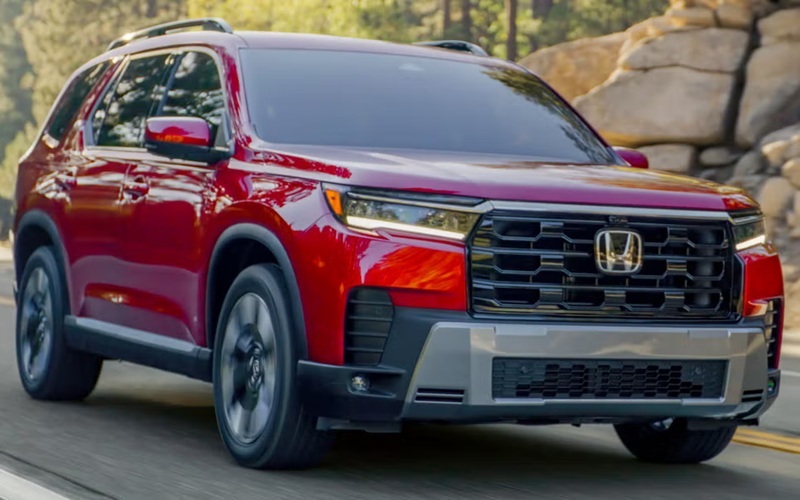
Modern braking systems in the Honda Pilot are engineered to support passenger safety, vehicle control, and consistent brake performance during urban driving, highway operation, mountain descents, and loaded vehicle conditions.
The 2026 Honda Pilot Brake System
The brake system in the new Honda Pilot converts kinetic energy into thermal energy through controlled friction between the brake pads and rotors.
The system performs several critical functions:
Reduce vehicle speed
Maintain directional stability
Prevent wheel lockup
Support emergency stopping
Improve towing control
Coordinate with driver-assistance systems
Maintain traction during braking
Modern brake systems are electronically integrated with multiple vehicle control modules and continuously monitored through onboard diagnostic systems.
Hydraulic Brake System Fundamentals
Hydraulic Pressure Operation
The Honda Pilot uses a hydraulic braking system that transfers braking force through pressurized brake fluid.
When the driver presses the brake pedal:
Pedal force enters the brake booster.
The master cylinder pressurizes brake fluid.
Hydraulic pressure travels through brake lines.
Brake callipers apply clamping force.
Brake pads contact the rotating brake rotors.
The friction created between pads and rotors slows wheel rotation and reduces vehicle speed.
Brake Fluid Pressure Transfer
Brake fluid is essentially incompressible under operating conditions. This characteristic allows hydraulic force to transfer efficiently from the brake pedal to all four wheel brakes with minimal delay. The hydraulic system must maintain stable pressure under varying temperature and load conditions.
Dual-Circuit Hydraulic Design
The brake system uses a dual-circuit hydraulic layout for redundancy. Separate hydraulic circuits ensure partial braking capability remains available if one circuit experiences pressure loss. This improves operational safety during component failure conditions.
Front Brake System
Ventilated Front Disc Brakes
The front axle uses ventilated disc brake assemblies. Front brakes perform most of the braking work because weight transfers forward during deceleration.
The front brake assemblies typically include:
Ventilated brake rotors
Multi-piston or single-piston callipers
Brake pads
Caliper brackets
Hydraulic pistons
Anti-vibration hardware
Rotor Ventilation Design
Ventilated brake rotors contain internal cooling passages between rotor faces.
As the rotor rotates:
Air flows through internal channels
Heat dissipates more efficiently
Rotor temperatures remain more stable
Improved cooling reduces the likelihood of brake fade during repeated braking events.
Front Brake Heat Management
Braking generates substantial thermal energy.
The front brake system is engineered to manage heat during:
Mountain descents
Heavy traffic operation
Trailer towing
Emergency braking
Repeated deceleration cycles
Heat-resistant materials improve braking consistency under demanding conditions.
Rear Brake System
Rear Disc Brake Configuration
The rear axle uses hydraulic disc brakes designed to complement front braking performance.
Rear brakes contribute to:
Vehicle stability
Braking balance
Parking brake integration
Controlled deceleration
Rear braking force is calibrated carefully to prevent premature rear wheel lockup.
Rear Brake Components
The rear braking system generally includes:
Rear brake rotors
Calipers
Brake pads
Parking brake actuators
Hydraulic brake lines
The rear system operates in coordination with electronic brake-force distribution controls.
Parking Brake Integration
The rear brake assemblies may integrate with the electronic parking brake system. Electronic parking brake actuators apply clamping force automatically when the parking brake is activated.
Brake Booster System
Brake Assistance Function
The brake booster amplifies driver pedal force to reduce physical effort during braking.
The Honda Pilot may use:
Vacuum-assisted brake boosters
Electronic brake boosters
depending on drivetrain configuration.
Vacuum-Assisted Operation
Traditional brake boosters use engine vacuum to assist pedal force.
As the driver presses the brake pedal:
Pressure differential develops inside the booster
Additional force assists master cylinder operation
Pedal effort decreases
This improves braking comfort and emergency braking capability.
Electronic Brake Boosting
Certain advanced systems may use electronic brake boosting technology. Electronic boosters allow more precise brake pressure control and integration with driver-assistance systems.
Master Cylinder and Brake Fluid
Master Cylinder Function
The master cylinder converts pedal movement into hydraulic pressure.
Inside the master cylinder:
Pistons compress brake fluid
Hydraulic circuits become pressurized
Brake force transfers to wheel callipers
The master cylinder must maintain stable pressure under varying operating conditions.
Brake Fluid Characteristics
Brake fluid transfers hydraulic force throughout the braking system.
The fluid must resist:
High temperatures
Moisture absorption
Pressure fluctuation
Corrosion formation
Brake fluid also lubricates hydraulic seals and moving components.
Thermal Stability
Brake fluid boiling resistance is critical because excessive heat can reduce braking effectiveness. The brake system is engineered to maintain stable hydraulic operation under high thermal loads.
Anti-Lock Braking System
ABS Operation
The Anti-Lock Braking System prevents wheel lockup during heavy braking. Locked wheels lose directional traction and reduce steering capability. ABS rapidly adjusts brake pressure to maintain wheel rotation while maximizing braking efficiency.
Wheel-Speed Sensors
Each wheel contains wheel-speed sensors that monitor rotational speed continuously. The control module compares wheel speeds and detects rapid deceleration associated with wheel lockup.
If lockup is detected:
Brake pressure decreases temporarily
Wheel rotation resumes
Pressure reapplies automatically
This process repeats multiple times per second.
Hydraulic Modulation Unit
The ABS hydraulic control unit contains:
Solenoid valves
Hydraulic pumps
Pressure regulators
Electronic controllers
These components regulate brake pressure independently at each wheel.
Electronic Brake-Force Distribution
Dynamic Brake Balance
Electronic Brake-Force Distribution automatically adjusts braking force between front and rear wheels.
Brake balance changes according to:
Vehicle load
Passenger weight distribution
Cargo placement
Deceleration rate
Road conditions
Electronic adjustment improves braking stability and efficiency.
Load Compensation
When the vehicle carries heavy cargo or passengers, rear braking requirements increase. Electronic brake-force distribution compensates dynamically to maintain balanced braking performance.
Stability Improvements
Proper brake-force distribution improves:
Directional control
Tire traction
Cornering stability
Braking consistency
Electronic systems are more precise than fixed mechanical proportioning systems.
Electronic Stability Control Integration
Stability Monitoring
The brake system is integrated with Electronic Stability Control systems.
The system monitors:
Steering angle
Wheel speed
Vehicle yaw rate
Lateral acceleration
Brake input
Throttle position
If instability occurs, braking force can be applied selectively to individual wheels.
Understeer and Oversteer Correction
Brake intervention helps correct:
Understeer
Oversteer
Directional instability
Excessive wheel slip
The system may also reduce engine torque to improve stability.
Emergency Maneuver Support
Stability systems assist during:
Sudden lane changes
Emergency braking
Slippery road conditions
Evasive maneuvers
Brake intervention occurs automatically when required.
Brake Assist Systems
Emergency Brake Assist
Brake assist systems detect emergency braking conditions through rapid brake pedal application.
If emergency braking is detected:
Brake pressure increases automatically
Maximum braking force becomes available more quickly
This reduces stopping distance during emergency situations.
Collision Mitigation Integration
The brake system may integrate with collision mitigation systems.
Forward-facing sensors and cameras monitor potential collision risks.
Under certain conditions, the braking system may:
Warn the driver
Pre-charge brake pressure
Apply braking automatically
These systems operate electronically through the integrated brake control network.
All-Wheel-Drive and Brake Coordination
Brake-Based Torque Management
All-wheel-drive versions of the Honda Pilot may use brake-based traction management systems.
Selective braking can:
Reduce wheel spin
Improve traction distribution
Stabilize cornering behaviour
The braking system works closely with drivetrain management controls.
Hill Descent and Incline Control
Brake systems may also support hill-descent or incline-assist functions. These systems help regulate vehicle speed during steep downhill driving conditions.
Brake Cooling and Thermal Engineering
Rotor Cooling Efficiency
Brake rotors dissipate heat through airflow and thermal radiation.
Ventilated rotor designs improve:
Heat rejection
Brake fade resistance
Temperature consistency
Efficient cooling improves braking durability during heavy use.
Friction Material Engineering
Brake pads use friction compounds engineered for:
Thermal stability
Noise reduction
Wear resistance
Consistent friction characteristics
Material selection balances performance, durability, and operating refinement.
Brake Fade Prevention
Brake fade occurs when excessive heat reduces braking effectiveness.
The brake system uses:
Ventilated rotors
Heat-resistant pads
High-temperature brake fluid
Electronic Parking Brake System
Electronic Actuation
The Honda Pilot may use an electronic parking brake system rather than a mechanical hand lever. Electric actuators apply rear brake clamping force electronically. The system is controlled through a switch inside the cabin.
Automatic Brake Hold
Certain configurations may include brake hold functionality. Brake hold systems maintain braking force temporarily while stopped, especially during traffic conditions or incline operation. This reduces unintended vehicle movement.
Diagnostic and Monitoring Systems
Brake System Monitoring
The braking system continuously performs self-diagnostic monitoring.
The system can detect faults involving:
Wheel-speed sensors
Hydraulic pressure circuits
Stability control communication
Parking brake actuators
ABS operation
Diagnostic information is stored electronically.
Brake Wear Monitoring
Some configurations may include brake wear monitoring systems that evaluate brake pad condition and alert the driver when service is necessary.
T&T Honda technicians may inspect rotor thickness, brake pad wear, hydraulic pressure systems, and electronic braking controls during maintenance and diagnostic procedures.
2026 Honda Pilot FAQ
What type of brake system does the 2026 Honda Pilot use?
The vehicle uses a four-wheel hydraulic disc brake system integrated with electronic braking and stability control technologies.
Does the Honda Pilot use Anti-Lock Braking System technology?
Yes. The brake system includes Anti-Lock Braking System functionality that prevents wheel lockup during heavy braking.
What is Electronic Brake-Force Distribution?
Electronic Brake-Force Distribution automatically adjusts braking force between the front and rear wheels according to vehicle load and operating conditions.
Does the 2026 Honda Pilot use ventilated front brake rotors?
Yes. The front braking system uses ventilated disc rotors to improve heat dissipation and reduce brake fade.
Can the brake system interact with stability control systems?
Yes. The braking system works with Electronic Stability Control and traction management systems to improve vehicle stability and directional control.
*Disclaimer: Content contained in this post is for informational purposes only and may include features and options from US or internacional models. Please contact the dealership for more information or to confirm vehicle, feature availability.*


